
Guide
How Many Dudes Guide
Quick AnswerStart by learning the run loop, then make each decision around what your roster needs now: enough economy to keep developing, complementary roles, Relics that reinforce your plan, and defenses that match the threats ahead. Treat rankings as context rather than a script, and review your weaknesses before each boss.
Content updated2026-08-16
Evidence checked2026-08-16Version-sensitive
Beginner Progression
Treat your first runs as a sequence of questions, not a hunt for one permanent team. Learn what your Dudes do, watch where a fight starts to break down, and make the next roster or Relic choice answer that problem. A loss is useful when it tells you whether you lacked damage, durability, recovery, mobility, or a working synergy.
Before recruiting or buying something, ask what it changes right now. Does it strengthen the plan you already have, cover a clear weakness, or open a better direction? After each difficult wave, check whether the answer is still the same. This keeps progression focused while leaving room to experiment with unusual combinations, which the developer's beginner guide actively encourages.
Core Loop
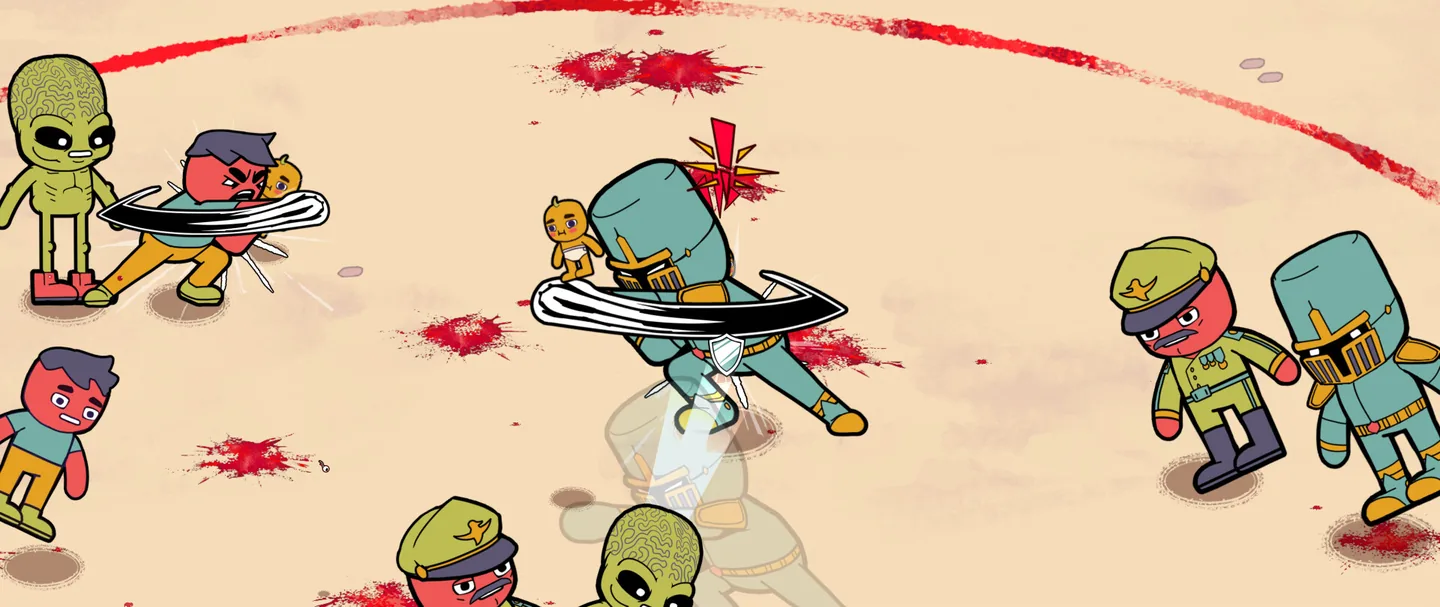
At the Dude Ranch, you recruit and manage Dudes, shape a roster, and then watch the team auto-battle through escalating waves and bosses. The battle itself plays out automatically, so your main work happens between fights: reading results, choosing who or what to invest in, and deciding whether the next reward strengthens the whole team.
Relics are a major way to modify a Dude's abilities and stats during a run. Trinkets are a separate system bound to a roster Dude type, so do not treat the two as interchangeable. A practical loop is:
- Recruit or develop a Dude for a purpose.
- Watch how the roster performs rather than judging only the result.
- Use rewards to reinforce strengths or repair a weakness.
- Reassess before the next major threat.
Economy
Cash is future flexibility. Spending can solve an immediate problem, while saving can create stronger options later. The developer's guide uses Business Dude investment as an example of why early restraint can improve a late run, but it also warns that saving too aggressively can leave the team too weak to survive.
Use that as a tradeoff rather than a fixed rule. Spend when a purchase fixes a real blocker, protects a valuable part of the roster, or completes a synergy you can use now. Save when the current team is clearing reliably and the extra cash will meaningfully improve later choices. The same logic applies to recovery resources: do not spend them automatically just because a Dude is unconscious, but do not risk a collapse merely to preserve cash.
Team Roles
A useful way to review a roster is to look for functions rather than a mandatory lineup:
- Damage: Can the team remove threats before they overwhelm you?
- Frontline or durability: Can someone absorb pressure or keep fragile Dudes from being knocked out?
- Healing or support: Can the roster recover, protect key members, or improve their output?
- Utility or control: Can it reposition, interrupt, redirect, or otherwise manage dangerous situations?
These are diagnostic labels, not four boxes every team must fill. One Dude may cover several functions, and Relics or Trinkets can bend a role in an unexpected direction. The official material explicitly encourages strange teams, including approaches that do not rely on a conventional tank or healer. Judge whether the roster solves its current problems, not whether it matches a standard template.
Relics & Synergies
Relics can change both abilities and stats, so their value depends on who is using them and what the roster is trying to do. The developer's guide also explains that your Dude and Family choices affect the available Relic pool. A broader Family mix can unlock more possibilities, while a tighter plan can make it easier to find pieces for a specific strategy. Neither approach is automatically correct.
This is why individual strength is only part of a decision. A highly rated Dude can still weaken the current run if the recruit adds no needed role, pulls attention away from the Relics your plan needs, or breaks an already stable interaction. Conversely, a less celebrated Dude may be exactly what completes the roster. Use rankings as context, then check abilities, Families, current Relics, and the job the new recruit would perform.
Keep Trinkets distinct in that review. A Trinket can support or redirect a Dude's role, but it does not replace the run-wide planning around your Relic pool.
Survivability
Start by identifying how your Dudes are being knocked out. One large hit creates a different problem from many smaller hits.
For heavy single strikes, reliable padding matters: Max HP, Toughness, Temporary Health, protection from teammates, or an available way to survive fatal damage. Avoidance and mitigation tools such as Evasion, Block, or Deflection can be valuable against repeated attacks, but chance-based protection alone may still let a single large hit through. Against sustained smaller damage, avoidance, mitigation, healing, and control can reduce attrition across the fight.
There is no universal defensive formula. Watch the damage pattern, protect the Dudes your plan depends on, and choose the defense that answers the actual threat.
Boss Preparation
Do not wait for a boss loss to be the first time you inspect the roster. Before a major fight, ask:
- Is the team's damage sufficient, or are enemies surviving long enough to overwhelm it?
- Can the frontline and key damage dealers survive the boss's most dangerous pattern?
- Is there enough sustain or support to recover from pressure?
- Do the current Relics and Trinkets reinforce the plan, or are they pulling in different directions?
- Is there an obvious weakness in movement, targeting, control, or roster coverage?
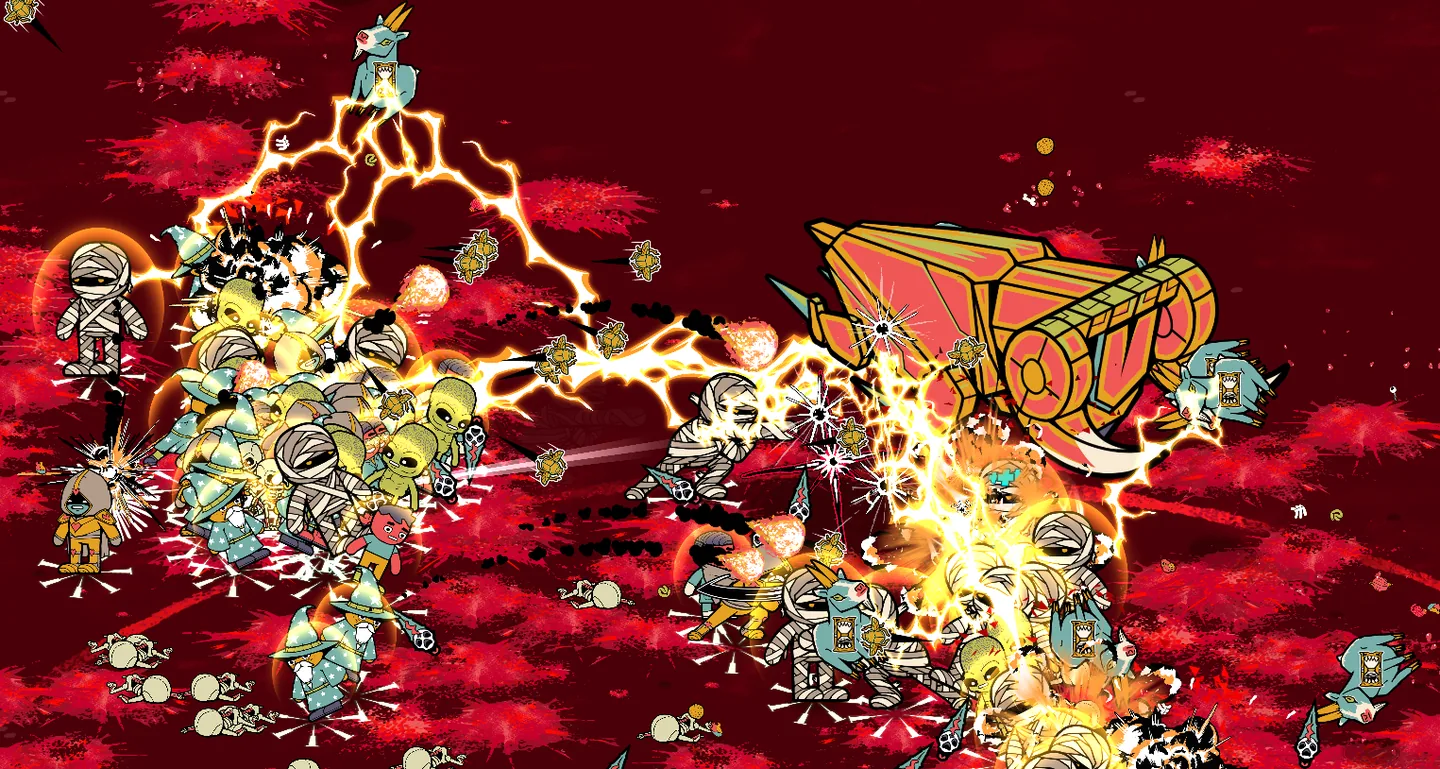
If a boss defeats you, observe what it did, how the team responded, and which part failed first. The developer's guide recommends using that information to adjust the next attempt. Boss preparation is therefore a feedback loop, not a fixed shopping list.
Practical Checklist
Before committing to the next choice, run through this short check:
- What job is my team missing right now?
- Does the current roster support one another's abilities and stats?
- Am I widening the Relic pool without a clear benefit?
- Am I losing to one large hit or to repeated smaller hits?
- What weakness must be solved before the next boss?
- Should I invest now, or can this roster safely preserve resources?
- Am I chasing a highly rated Dude at the cost of a working synergy?
Common Beginner Mistakes
- Dismissing a Dude before supporting the role. A Dude can look weak when their ability, useful stats, Relics, teammates, or Trinket are being neglected.
- Building from reputation alone. Individual rankings cannot tell you whether a recruit fits the current roster.
- Ignoring the Relic pool. Adding Families and Dudes without a plan can make a targeted synergy harder to assemble.
- Treating economy as all-spend or all-save. Overspending removes later options; over-saving can make the present team collapse.
- Using the wrong kind of defense. Protection against frequent small attacks is not automatically protection against a single heavy strike.
- Entering a boss without a roster review. A team that clears ordinary waves may still have one unaddressed weakness.
- Copying a clickbait team as a guarantee. A creator's successful run can be an example, but version, roster, Relics, and circumstances still matter.
What to Read Next
- Use the Tier List as an evidence-aware community ranking, not a fixed roster recipe.
- Open Characters to compare Dudes, Families, abilities, and official details.
- Browse All Guides to choose another published topic.
- Check the Official Dudexopens in a new tab when you need the game's current terminology or mechanics reference.